


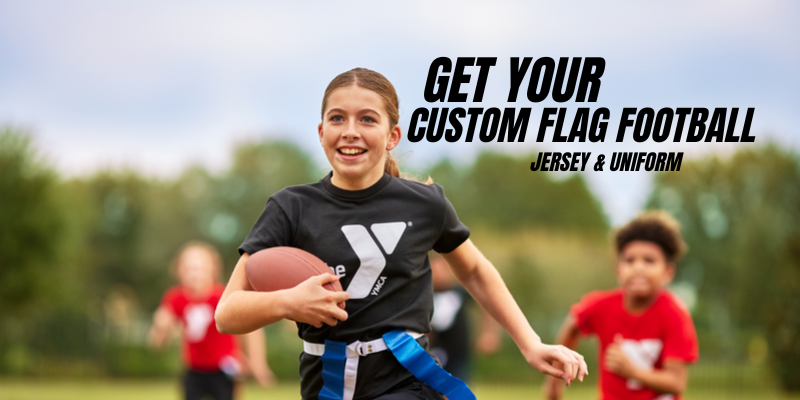
Discover the exciting world of flag football through this comprehensive exploration of the sport’s rules, history, and gameplay dynamics. Designed to inform and engage a broad audience, this article offers in-depth insights into what makes flag football a popular, accessible, and strategic variation of traditional football. Whether you’re a newcomer or a seasoned enthusiast, gain a well-rounded understanding of this fast-paced, skillful game.
What is Flag Football
Flag football is a dynamic and engaging variation of traditional American football that has gained widespread popularity across the globe. Unlike tackle football, where physical contact is a core element, flag football emphasizes agility, speed, and strategic play while minimizing the risk of injury. Its accessible nature makes it an attractive sport for players of all ages and skill levels, from youth leagues to adult recreational groups. The sport’s inclusive design allows newcomers to enjoy the game without the need for extensive protective gear or tackling techniques.
The purpose of this article is to provide a comprehensive exploration of what is flag football, delving into its rules, history, gameplay dynamics, and strategic elements. Whether you are a curious newcomer, a coach, or an enthusiast seeking to deepen your understanding, this guide aims to inform and engage by highlighting the sport’s unique features and growing appeal.
What Do Football Players Wear Under Their Uniform
Football players wear specialized garments underneath their uniforms to enhance performance, provide protection, and ensure comfort during the game. Typically, this includes moisture-wicking compression shirts and shorts that help regulate body temperature and reduce chafing.
Many players also don protective gear such as padded compression sleeves, rib protectors, or thigh pads to safeguard against injuries. Additionally, some athletes wear specialized underwear or gloves designed to improve grip and support. Overall, these undergarments are carefully selected to optimize both safety and functionality, allowing players to perform at their best on the field.
Flag Football Jerseys Youth
Flag football jerseys for youth are essential for fostering team spirit and ensuring players are easily identifiable on the field. Designed specifically for young athletes, these jerseys offer comfort, durability, and a secure fit to accommodate active movement. Available in a variety of colors and sizes, they allow teams to customize their look and promote unity. Choosing high-quality youth flag football jerseys enhances the playing experience while supporting safety and performance.
Is There Professional Flag Football
As of now, professional flag football is emerging as a popular and rapidly growing sport. Several leagues and organizations around the world are establishing structured competitions, attracting athletes and fans alike. Although it has yet to reach the same level of prominence as traditional football, the sport’s accessibility and emphasis on safety have contributed to its expanding popularity.
Various leagues are working toward formalizing professional play, with some already offering paid contracts and organized seasons. Overall, while professional flag football is still in its developmental stages, it shows promising potential to become a widely recognized and established sport in the near future.
Flag Football Uniform Designer
As a flag football uniform designer, your role involves creating functional, visually appealing apparel that enhances player performance and fosters team identity. You must consider factors such as comfort, durability, safety, and adherence to league regulations while incorporating innovative design elements. Your task is to develop uniforms that not only meet practical requirements but also reflect the spirit and branding of each team, ensuring players feel confident and unified on the field.
How Much Is Flag Football
Understanding the cost of participating in flag football is essential for prospective players and organizers alike. The expenses can vary widely based on factors such as location, league level, equipment requirements, and additional fees.
Typically, registration fees for local leagues range from $20 to $100 per season, covering administrative costs and team expenses. Some leagues may also charge for uniforms, which can cost between $30 and $60, as well as optional equipment like flags or cleats.
It is advisable to research specific leagues in your area to obtain accurate pricing information and determine what is included in the registration fee. Overall, the cost of playing flag football remains relatively affordable, making it an accessible and enjoyable sport for individuals of various ages and skill levels.
Flag Football Uniform Mockup
SAFA SPORTS offers a free flag football uniform mockup within 24 hours. Our quick turnaround ensures that teams and organizations receive accurate, professional mockups promptly, helping them visualize their uniforms and make informed decisions efficiently.
The History and Evolution of Flag Football
Flag football’s origins trace back to the early 20th century, evolving as a safer alternative to tackle football for school and recreational settings. Its roots are intertwined with the broader development of informal and organized versions of American football, with the first organized leagues emerging in the mid-20th century. Over the decades, the sport has experienced significant milestones, including the formalization of rules, the establishment of national governing bodies, and the creation of dedicated leagues.
One of the key differences between flag football and traditional tackle football is the absence of physical tackling. Instead of tackling players to the ground, defenders pull flags from the ball carrier’s belt, making the game safer and more accessible. This safety aspect has contributed to its rise in popularity, particularly in youth sports and community leagues. The growth of organized leagues and tournaments has further propelled flag football’s recognition, including efforts to introduce it into school curricula and recreational programs.
In recent years, the sport has expanded into a more competitive arena, with some regions developing their own professional and semi-professional leagues. The question of whether there is professional flag football continues to grow, with leagues like the NFL Flag Football League and other regional competitions gaining prominence.
Rules and Gameplay Dynamics of Flag Football
Understanding what is flag football involves familiarizing oneself with its basic rules and gameplay dynamics. Typically, the sport features two teams, each consisting of 5 to 8 players, depending on the league. The game is played on a rectangular field measuring approximately 70 yards long and 30 yards wide, with end zones at each end.
The game begins with a kickoff or a snap, and the offensive team aims to advance the ball into the opponent’s end zone to score a touchdown, worth six points. The offensive team has a set number of plays, often four, to move the ball at least 10 yards to earn a new set of downs. The defensive team’s goal is to prevent this progress by pulling flags from the ball carrier’s belt, which acts as a form of “tackling” in the sport.
Flag pulling is the primary method of stopping the play, making the game faster and less physically aggressive. When a flag is pulled, the play ends, and the ball is spotted at the point of the pull. Scoring includes touchdowns, with options for extra points through additional plays or conversions. Penalties for infractions, such as offsides or illegal flag pulls, can result in yardage loss or turnover.
Players wear flag football jerseys, which include belts with flags, and the attire is designed for safety and ease of movement. Variations in rules exist across different leagues and organizations, but the core principles remain consistent.
Strategic Elements and Skills in Flag Football
Success in flag football hinges on a combination of physical skills and strategic thinking. Key skills required include agility, speed, hand-eye coordination, and the ability to read the game. Offensive strategies often involve passing plays, running the ball, and deception tactics like fake handoffs or misdirection routes to outmaneuver defenders.
Defensive strategies focus on flag guarding, zone coverage, and anticipation. Since physical contact is limited, defenders must be adept at reading the quarterback’s intentions and positioning themselves effectively to pull flags. Teamwork and communication are vital, especially given the fast-paced nature of the game and the need for coordinated plays.
The absence of physical tackles shifts the strategic focus from brute strength to agility, quick decision-making, and precise execution. This difference between flag football and football emphasizes skill development and tactical planning, making it an appealing sport for those interested in strategic gameplay.
Benefits and Popularity of Flag Football
The benefits of flag football extend beyond physical activity. It promotes inclusivity by allowing players of different ages, genders, and skill levels to participate comfortably. The reduced injury risk compared to tackle football makes it a safer option for youth and recreational players, encouraging lifelong participation in sports.
Flag football also fosters teamwork, communication, and sportsmanship, essential qualities that benefit players both on and off the field. Its growing popularity in schools, community leagues, and recreational centers underscores its role in youth development and promoting healthy lifestyles.
Additionally, the sport’s versatility is evident in the availability of flag football jerseys, uniforms, and outfits designed for various age groups. From youth flag football jerseys to custom flag football uniforms and sublimated flag football jerseys, the sport offers a wide array of options for teams and organizations. The emergence of flag football jersey creators and uniform builders has made it easier for teams to personalize their gear, including flag football jerseys custom and flag football jersey designs.
Conclusion
In summary, flag football is an engaging, strategic, and inclusive sport that offers a safe alternative to traditional football. Its rules, gameplay, and strategic elements make it accessible and enjoyable for players of all ages and skill levels. The benefits of flag football—such as promoting physical activity, teamwork, and sportsmanship—contribute to its increasing popularity worldwide.
Whether you are exploring what is flag football for the first time or considering joining a league, the sport’s future looks promising with continued growth and innovation. As more communities and organizations embrace flag football, its role as a fun, safe, and strategic sport is set to expand further. For those interested in team gear, options like flag football uniforms youth, flag football outfits, and custom flag football jerseys are readily available to enhance the playing experience.
Discover the exciting world of flag football through this comprehensive exploration of the sport’s rules, history, and gameplay dynamics. Designed to inform and engage a broad audience, this article offers in-depth insights into what makes flag football a popular, accessible, and strategic variation of traditional football. Whether you’re a newcomer or a seasoned enthusiast, gain a well-rounded understanding of this fast-paced, skillful game.